Cold Outreach Checklist for Selling to Crypto Projects (Agencies)

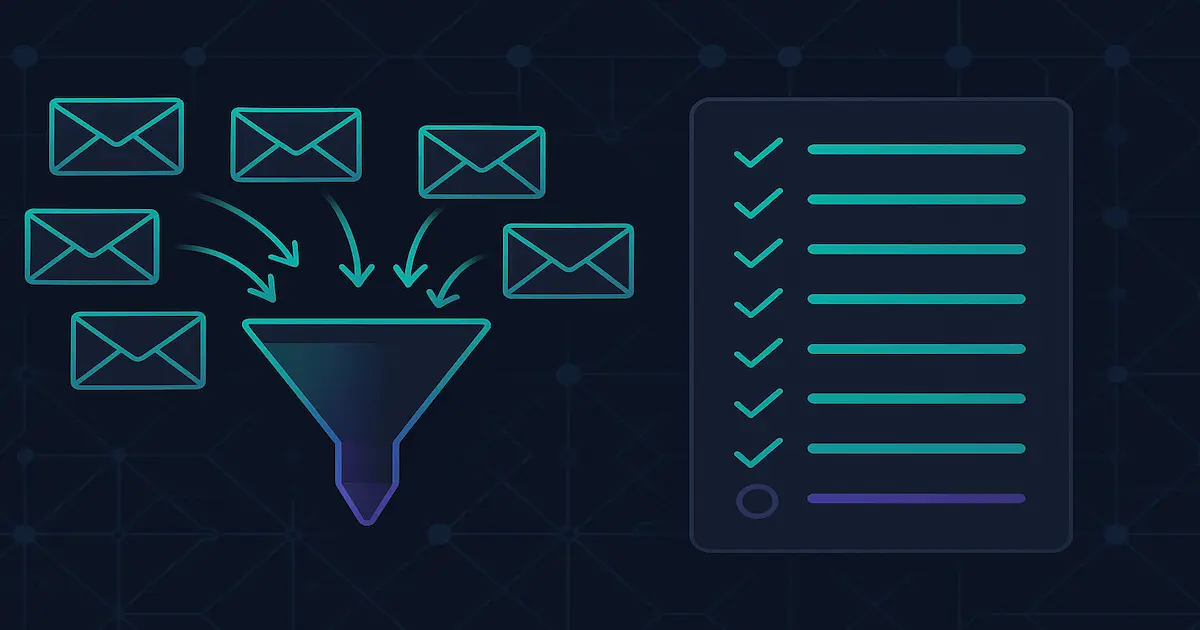
This pre-flight checklist is for agencies and service providers selling services to token-based crypto projects. It is not a guide for token issuers trying to find investors or token buyers. Use it right before you launch outbound, or right before you scale volume. You will check ICP fit, list quality, deliverability, copy trust cues, and reply handling in about 50 minutes. If you need the full protocol and templates, start with our cold email step-by-step guide for selling services to crypto projects.
Who this is for
This checklist is a fit if you are:
- Agencies selling marketing, growth, PR, SEO, or BD services to token-based crypto projects.
- Consultants and vendors running B2B outbound to Web3 teams and preparing to scale sending.
- Small teams that want a fast QA pass before they burn a domain, a list, or a reputation.
This checklist is not a fit if you are:
- Token teams looking for token buyers, investors, or exchange listing hype.
- Creators pitching sponsorships, those workflows are different.
If you are brand new to cold outreach, read the full cold email step-by-step guide first. Then come back here before you scale.
First check: Offer and ICP fit (10 minutes)
Before you touch tools or templates, confirm you are pitching one clear service to one clear segment. Crypto founders delete vague offers fast, especially when they have been burned by scams.
Use this 10-minute pass to tighten the basics:
- Clarify the outcome you sell in one sentence, without buzzwords.
- Choose the buyer type and timing window you serve, for example pre-launch audits, launch liquidity, or post-launch growth.
- Write the "why you" proof in one line, based on real experience you can show.
- Confirm your ICP filters, chain, stage, and role, using the ICP builder for crypto startups.
A quick self-check: If you cannot explain "why now" for this segment in one breath, do not scale outreach yet.
No subject line or follow-up sequence fixes a weak offer. Lock positioning first, then optimize deliverability and copy.
Second check: List quality and freshness (10 minutes)
List problems look like "copy problems" until you audit inputs. In crypto, lists decay fast because projects rebrand, rotate contributors, change domains, or stop operating.
Run this 10-minute list QA:
- Confirm every record has a real website and a reachable domain.
- Validate that the contact role matches your offer, for example growth, partnerships, marketing, or founder.
- Remove duplicates across campaigns, mailboxes, and teammates before you send. Use our email list verification checklist to gate sends.
- Tag each prospect with a simple segment label, chain, lifecycle stage, and service category.
- Audit timing relevance, if a project already chose vendors last quarter, your email is late.
A practical rule: If you would not want your own inbox to receive this message, do not add that record to your test cohort.
Start with one free lead so you can run this checklist on a real token-project contact before you scale volume: /docs/core-features/leads/.
Third check: Deliverability readiness (10 minutes)
Deliverability is a system, not a setting. You can have strong copy and still lose if your domain reputation is weak or your authentication is misconfigured.
Use this 10-minute infrastructure check:
- Separate cold outreach traffic from your primary company domain.
- Verify SPF, DKIM, and DMARC are configured and aligned, then follow the SPF, DKIM, DMARC deliverability guide for crypto outreach.
- Warm up new mailboxes before you scale, using the email warm-up plan for crypto outbound.
- Keep sending behavior human, which means consistent volumes, reasonable intervals, and threaded follow-ups.
- Monitor bounces and complaints daily, then remove hard bounces immediately.
Stop and fix list
Protect your domain reputation by pausing outreach when any of these show up:
- Pause sending when inbox placement suddenly drops or replies vanish overnight.
- Investigate SPF, DKIM, and DMARC when providers start rejecting messages or flagging spam.
- Reduce volume when new mailboxes get throttled or rate-limited.
- Clean the list when hard bounces rise or you see repeated "user not found" errors.
Fourth check: Copy and trust signals (10 minutes)
Crypto founders are trained to ignore hype. Your goal is to sound like a real operator, with a specific reason for the email and a low-friction next step.
Run this 10-minute copy QA:
- Match the subject line to the first sentence, so the email is not a bait-and-switch.
- Use plain text by default, which means no banners, heavy formatting, or attachments.
- Include one clear micro-ask, then stop.
- Add a simple opt-out line, and honor suppression lists.
- Remove risky words and phrases using the crypto outreach spam words guide.
Safe personalization variables for templates
When you personalize, keep it sparse and verifiable. If you use variables, stick to the allowed set and keep them as inline code so they never run as MDX.
Example first lines:
- Noticed
{tokenName}is building on{blockchain}, I had a quick question about your current launch timeline. - Saw
{website}and the token page{tokenUrl}, are you already working with a vendor for this stage?
Micro-yes CTA examples
Pick one simple question that makes it easy to reply:
- Worth a 10-minute call to see if this fits, or should I close the loop?
- Open to a short reply with who owns partnerships on your side?
- Better to reach out after the next milestone, or is timing fine this week?
Fifth check: Reply handling and CRM hygiene (10 minutes)
Cold outreach fails when replies do not get handled quickly and consistently. Your pre-flight check should confirm ownership, routing, and what happens after a "yes", a "not now", or an opt-out.
Use this 10-minute ops check:
- Confirm replies land in a monitored inbox, not an unowned mailbox.
- Define who handles positive replies and who handles objections, before the campaign starts.
- Log every outcome in one place, so you can measure and improve.
- Add unsubscribes and "not a fit" responses to suppression immediately.
- Schedule follow-ups as tasks, not as memory, so cadence does not collapse during busy weeks.
Scorecard: green, yellow, red
Score each checkpoint as 1 (pass) or 0 (needs work). Then use the thresholds below to decide whether to scale or to pause and fix.
| # | Checklist item | Score (0 or 1) |
|---|---|---|
| 1 | Offer is one sentence and outcome-based | |
| 2 | ICP is defined by chain, stage, and buyer role | |
| 3 | Proof is real and easy to verify | |
| 4 | Each prospect has a working website and domain | |
| 5 | Contact roles match the service you sell | |
| 6 | Duplicate records are removed before import | |
| 7 | Segments are tagged (chain, stage, service) | |
| 8 | Outreach uses a separate sending domain | |
| 9 | SPF is configured and valid | |
| 10 | DKIM is configured and valid | |
| 11 | DMARC is configured and aligned | |
| 12 | New mailboxes are warmed up before scale | |
| 13 | Sending behavior is consistent and throttled | |
| 14 | Subject lines are short and non-hype | |
| 15 | Email bodies are plain text and under control | |
| 16 | Personalization is sparse and verifiable | |
| 17 | Opt-out and suppression are implemented | |
| 18 | Reply routing is owned and monitored | |
| 19 | CRM or tracker captures outcomes consistently | |
| 20 | A weekly review loop exists for iteration |
Scoring thresholds:
- Green (17 to 20): Scale slowly, keep testing one variable at a time.
- Yellow (13 to 16): Patch weak spots, then run a small test week.
- Red (0 to 12): Pause scale, rebuild foundations before you burn reputation.
If you need to pinpoint which stage is failing, use the diagnose and fix your funnel playbook.
Minimum viable test: 25 contacts, 3 emails, 7 days
Do not guess. Run a small, controlled test so you can learn without damaging domain health.
- Select 25 contacts from one tight segment, then freeze the cohort for the week.
- Draft a simple 3-email sequence that stays in one thread.
- Measure for 7 days, focusing on bounces, replies, and booked conversations.
- Review outcomes, then change one variable in the next cohort.
- Expand volume only after results are stable and suppression is working.
Sequence structure (keep it simple):
- First email: context, one-line offer, micro-yes question.
- Second email: quick bump, one proof point, same CTA.
- Third email: polite close-out, invite a "not now" response.
Where LeadGenCrypto fits
If you use LeadGenCrypto as a sourcing input, this checklist becomes easier to run because you can start with a small batch of fresh contacts instead of scraping and guessing. Leads are designed to support outbound workflows for service providers, with core fields like website, token address, chain, token name and symbol, verified email, and Telegram when available.
To reduce duplicates and protect your budget and reputation as you test, use Filters and Exceptions as part of your hygiene workflow: /docs/core-features/filters-and-exceptions/.